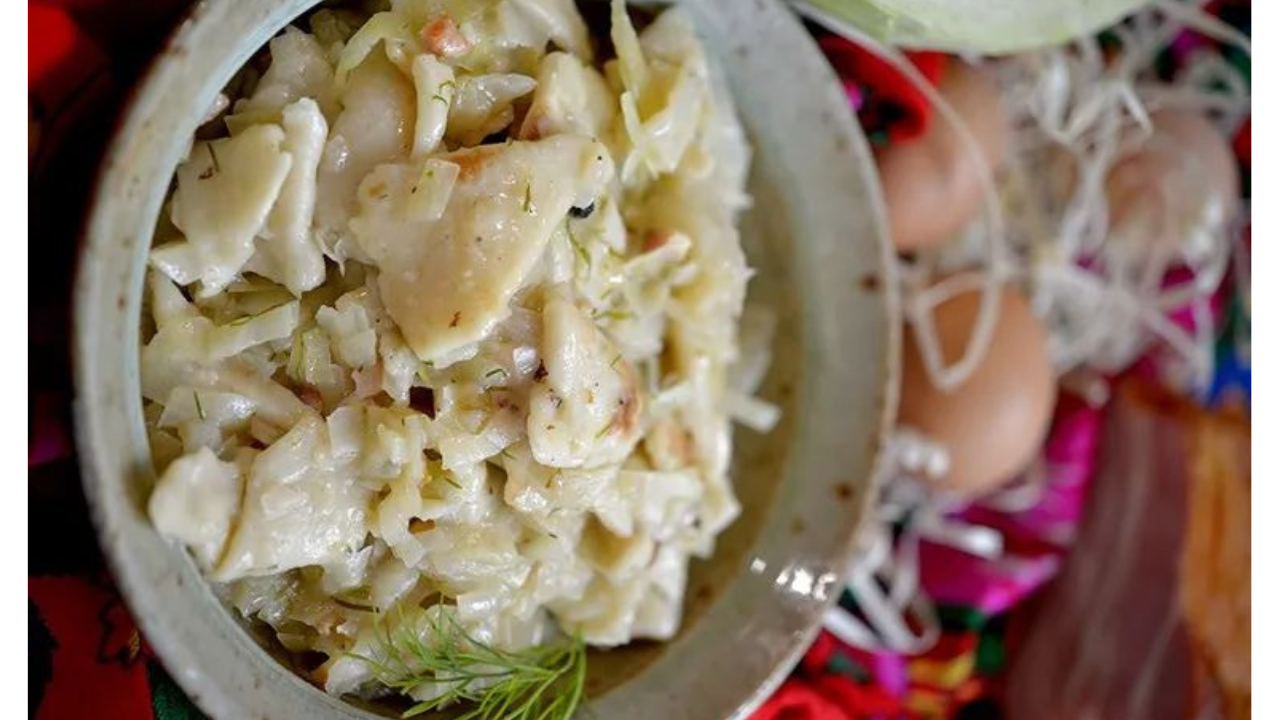
There’s something magical about dishes that carry the weight of tradition, don’t you think? They’re like a warm hug from the past, connecting us to stories, cultures, and memories of cozy family kitchens. One such dish that’s been stealing my heart lately is Polish Łazanki (pronounced wah-ZAHN-kee), a comforting medley of pasta, cabbage, sausage, and mushrooms that’s as soul-warming as it is delicious. Perfect for chilly autumn evenings or hearty winter dinners, this traditional Polish recipe is a celebration of simple ingredients coming together to create something truly special. Today, I’m thrilled to share with you not only a tried-and-true Łazanki recipe for your kitchen but also the fascinating history behind this beloved dish. Let’s dive into the world of Polish comfort food and discover why Łazanki deserves a spot on your table!
What Is Łazanki?
If you’re new to Polish cuisine, Łazanki might sound exotic, but it’s just a rustic, homey dish that’s been a staple in Polish households for centuries. At its core, Łazanki is a delightful combination of square-shaped pasta (also called Łazanki), cabbage (either fresh or sauerkraut), onions, and often a protein like smoked sausage, bacon, or mushrooms. The ingredients are sautéed together, seasoned with aromatic spices like marjoram and caraway, and sometimes garnished with fresh parsley for a pop of color and flavor. The result? A dish that’s hearty, tangy, and deeply satisfying, with a perfect balance of textures and tastes.
What I love most about Łazanki is its versatility. You can tweak it to suit your preferences—make it vegetarian with mushrooms, go all-in with smoky kielbasa, or even mix fresh cabbage and sauerkraut for a sweet-tangy twist. It’s the kind of recipe that feels forgiving, inviting you to experiment while still delivering that classic Polish flavor.
The History of Łazanki: A Taste of Poland’s Past
Every great dish has a story, and Łazanki’s spans continents and centuries. The name “Łazanki” is believed to come from the Italian word “lasagna,” hinting at its origins. Legend has it that this dish made its way to Poland in the 16th century, thanks to Queen Bona Sforza, an Italian noblewoman who married King Sigismund I the Old. As a queen of Poland and a lover of Italian cuisine, Bona brought her court cooks from Milan, introducing new ingredients and techniques to the Polish culinary scene. The result was a fusion of Italian and Eastern European flavors, with Łazanki emerging as a smaller, humbler cousin to lasagna.
Unlike the layered, baked lasagna we know today, Łazanki evolved into a simpler, one-pan dish, perfect for Poland’s cold winters. The square pasta, originally made with buckwheat or wheat flour, was mixed with local staples like cabbage, sauerkraut, and preserved meats—ingredients that were readily available during the harsh Eastern European winters. Over time, Łazanki became a beloved comfort food, served in homes, schools, and even during festive occasions like Christmas Eve, where a vegetarian version with mushrooms is often enjoyed.
What’s fascinating is how Łazanki has cousins across Eastern Europe. In Slovakia and among Polish-American communities, it’s sometimes called “haluski” or “halushki,” though the American version often swaps the square Łazanki noodles for wavy egg noodles. This mix-up likely happened as Polish immigrants mingled with Slovak and Czech communities in the U.S., blending culinary traditions. But in Poland, it’s always Łazanki, and it’s a dish that carries the warmth of childhood memories for many.
For me, discovering Łazanki felt like unearthing a hidden gem. Growing up, my family didn’t make this dish, but the first time I tried it at a friend’s Polish grandmother’s house, I was hooked. The tangy sauerkraut, the smoky sausage, the tender pasta—it was like a cozy blanket in food form. Now, I make it whenever I’m craving something hearty and nostalgic, and I’m excited to share this recipe with you so you can bring a taste of Poland to your kitchen.
Why You’ll Love This Łazanki Recipe

This Łazanki recipe is designed to be approachable, even if you’re new to Polish cooking. It’s quick to prepare (about an hour total), uses ingredients you can find at most grocery stores, and delivers big on flavor. Here’s why it’s a winner:
- Hearty and Comforting: Perfect for chilly nights when you need something filling and warm.
- Versatile: You can use fresh cabbage, sauerkraut, or a mix of both, and swap sausage for bacon or mushrooms for a vegetarian twist.
- Budget-Friendly: Made with affordable ingredients like cabbage and pasta, it’s a great way to feed a crowd without breaking the bank.
- Rich in Flavor: The combination of tangy, savory, and earthy notes makes every bite irresistible.
Ready to get cooking? Let’s walk through the recipe, step by step, and then I’ll share some tips and variations to make it your own.
Polish Łazanki Recipe
This recipe serves 4-6 people and takes about 60 minutes from start to finish. It combines sauerkraut and fresh cabbage for a balanced flavor, but feel free to adjust based on your taste. If you prefer a milder dish, rinse the sauerkraut before cooking to reduce its tanginess.
Ingredients
- 400g sauerkraut (about 2 cups, drained)
- 300g fresh white cabbage (about 3 cups, finely chopped)
- 200g Łazanki pasta (square noodles, or substitute with small shells or bow-tie pasta)
- 250g smoked kielbasa (Polish sausage), sliced into small pieces
- 200g cremini or button mushrooms, sliced
- 1 large onion, finely chopped
- 3 tablespoons vegetable oil (or lard for authenticity)
- 2 bay leaves
- 3 allspice berries
- 1 teaspoon caraway seeds
- 1 teaspoon dried marjoram
- 1/2 teaspoon paprika (optional, for a subtle smokiness)
- Salt and black pepper, to taste
- Fresh parsley, chopped, for garnish
Instructions
- Prepare the Sauerkraut: Drain the sauerkraut and squeeze out excess liquid. If you prefer a less tangy flavor, rinse it under cold water. Place the sauerkraut in a medium pot, cover with water, and add the bay leaves and allspice berries. Bring to a boil, then simmer for 20-25 minutes until tender. Drain, chop finely, and set aside. Discard the bay leaves and allspice berries.
- Cook the Fresh Cabbage: While the sauerkraut simmers, chop the fresh cabbage into 1/2-inch cubes. Place in a separate pot, cover with water, and simmer for 15 minutes until almost tender. Drain and set aside.
- Cook the Pasta: Bring a pot of lightly salted water to a boil and cook the Łazanki pasta (or substitute) according to package instructions until al dente. Drain and set aside. Pro tip: Save about 1/2 cup of pasta water in case you need to loosen the dish later.
- Sauté the Aromatics and Sausage: Heat 2 tablespoons of vegetable oil in a large skillet over medium heat. Add the chopped onion and cook for 5-7 minutes until soft and lightly caramelized. Add the sliced mushrooms and cook for another 5-6 minutes until browned. Push the onions and mushrooms to one side of the skillet, add the sliced kielbasa, and cook for 8-10 minutes, stirring occasionally, until browned and slightly crispy.
- Combine the Ingredients: Add the drained sauerkraut and fresh cabbage to the skillet. Stir in the caraway seeds, marjoram, paprika (if using), and a pinch of salt and pepper. Cook for 5 minutes, stirring frequently, to let the flavors meld.
- Add the Pasta: Add the cooked pasta to the skillet and gently toss everything together. If the mixture seems dry, add a splash of reserved pasta water. Cook for 2-3 minutes to heat through. Taste and adjust seasoning with more salt, pepper, or marjoram if needed.
- Serve and Garnish: Transfer the Łazanki to a serving dish and sprinkle with freshly chopped parsley. For an extra touch of richness, serve with a dollop of sour cream on the side.
Nutritional Information (Per Serving, Based on 6 Servings)
- Calories: ~450 kcal
- Carbohydrates: 35g
- Protein: 15g
- Fat: 28g
- Fiber: 6g
Note: Nutritional values are approximate and may vary based on specific ingredients used.
Tips for the Perfect Łazanki
- Choosing Pasta: Traditional Łazanki noodles are small, square, and flat, but they can be hard to find outside Poland. If you can’t get them, small shells, bow-tie pasta, or even broken lasagna sheets work well.
- Balancing Flavors: If sauerkraut’s tanginess is too strong for you, rinse it thoroughly or use more fresh cabbage for a sweeter profile. A mix of both, as in this recipe, gives a great balance.
- Make It Vegetarian: Swap the kielbasa for extra mushrooms or smoked tofu for a meat-free version that’s just as hearty. This is especially popular for Christmas Eve in Poland.
- Storage: Łazanki keeps well in an airtight container in the fridge for 3-4 days. Reheat in a skillet over medium heat to maintain texture. Avoid freezing the finished dish, as the pasta can become mushy, but you can freeze the cabbage-sausage mixture separately.
Variations to Try
One of the joys of Łazanki is how adaptable it is. Here are a few variations to inspire you:
- Vegetarian Christmas Łazanki: Use wild mushrooms (like porcini or chanterelles) and sauerkraut, omitting the sausage. This version is traditional for Poland’s meatless Christmas Eve dinner.
- Bacon Lover’s Łazanki: Replace kielbasa with smoked bacon for a richer, smokier flavor. Cook until crispy and use the bacon fat to sauté the onions and mushrooms.
- Sweet Łazanki: For a historical twist, try a sweet version inspired by Renaissance cuisine. Toss the pasta with crushed walnuts, poppy seeds, honey, and dried fruit like cherries or plums.
- Spicy Kick: Add a pinch of red pepper flakes or smoked paprika for a bit of heat.
Why Łazanki Belongs in Your Recipe Rotation
Łazanki isn’t just a meal; it’s a journey to Poland’s culinary heart. It’s the kind of dish that brings people together, whether you’re serving it at a family dinner or sharing it with friends on a cozy night in. The combination of tangy sauerkraut, savory sausage, and earthy mushrooms creates a flavor profile that’s both familiar and unique, making it a standout addition to any comfort food lineup.
For me, making Łazanki is a way to connect with a culture I’ve come to love through food. Every time I chop the cabbage or stir the sizzling kielbasa, I imagine generations of Polish families doing the same, passing down this recipe with love. It’s a reminder that food is more than sustenance—it’s a story, a memory, a way to feel at home no matter where you are.
Bringing Łazanki to Your Table
I hope this recipe and its history have inspired you to give Łazanki a try. Whether you’re a seasoned home cook or just dipping your toes into Polish cuisine, this dish is approachable, forgiving, and oh-so-rewarding. Serve it with a glass of crisp white wine or a cold Polish beer, and you’ve got a meal that’s sure to warm hearts and bellies alike.
Have you ever tried Łazanki, or do you have a favorite Polish dish that brings back memories? I’d love to hear your stories in the comments below! And if you make this recipe, don’t forget to share a photo and tag us on social media—we can’t wait to see your take on this Polish classic. Happy cooking, and smacznego (that’s Polish for “bon appétit”)!