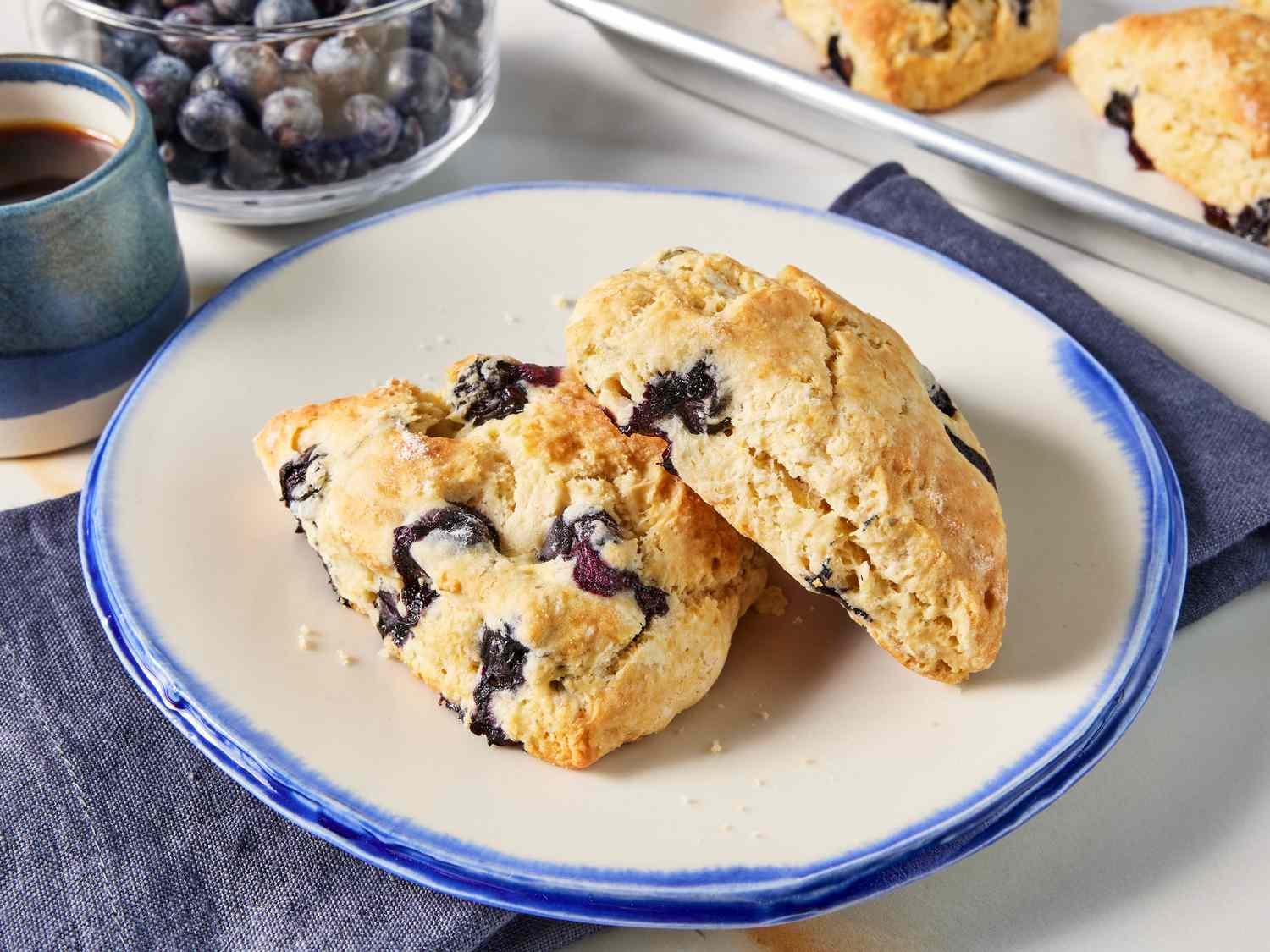
There’s something magical about biting into a warm blueberry scone, the buttery layers crumbling just right while sweet-tart berries burst with flavor. I remember my first attempt at baking them for a family brunch—flour dusted everywhere, a slightly lopsided tray, but the smiles around the table made it unforgettable. Whether you’re a seasoned baker or a newbie wielding a mixing bowl, this guide dives deep into crafting blueberry scones that’ll steal the show at breakfast or tea time. From classic recipes to creative twists, we’ll cover everything you need to know, sprinkled with tips from my own kitchen mishaps and triumphs, to make your scones a hit.
Why Blueberry Scones Are a Timeless Treat
Scones, with their golden crust and tender crumb, have been charming folks since 16th-century Scotland. Add blueberries, and you’ve got a match made in heaven—versatile enough for cozy mornings or fancy gatherings. My neighbor once swore her scones brought her book club closer together; that’s the power of these pastries. They’re not just food—they’re a warm hug in baked form.
The Science of the Perfect Scone Texture
Flaky scones come down to cold ingredients and minimal handling. Butter needs to stay chilled to create those airy layers, while overmixing turns them tough—lesson learned from my early hockey-puck attempts. Blueberries add moisture, so balance is key to avoid soggy spots. Think of it like building a tiny, edible fortress: sturdy yet delicate.
Pros and Cons of Baking Blueberry Scones
Pros:
- Quick to whip up, often ready in under 30 minutes.
- Bursting with antioxidants from fresh or frozen blueberries.
- Customizable with glazes, spices, or mix-ins for endless variety.
Cons:
- Overworking dough can lead to dense results—patience is a must.
- Blueberries can bleed, making presentation tricky if not handled right.
- Not ideal for long storage; best enjoyed fresh.<grok:render type=”render_inline_citation”>12
Classic Blueberry Scone Recipe
Let’s start with the gold standard—a recipe I’ve tweaked over years of Sunday brunches. It’s simple, reliable, and delivers that perfect balance of crisp edges and soft centers. My sister still talks about the batch I made for her birthday, paired with clotted cream and a good laugh over my flour-covered apron.
Ingredients for Classic Blueberry Scones
You don’t need a pantry full of fancy stuff—just quality basics. Fresh blueberries are great, but frozen work too (no thawing needed to prevent mush). Here’s what you’ll need for 8 scones.
- 2 cups all-purpose flour
- 1/3 cup granulated sugar
- 2 tsp baking powder
- 1/4 tsp salt
- 1/2 cup cold unsalted butter, cubed
- 1 cup fresh or frozen blueberries
- 2/3 cup heavy cream, plus extra for brushing
- 1 large egg
- 1 tsp vanilla extract
- Optional: 1 tbsp lemon zest for a zesty kick
Step-by-Step Instructions
This method keeps things straightforward, with tips to dodge common pitfalls. I once overmixed and ended up with scones that could double as paperweights—don’t make my mistake!
- Preheat and Prep: Set oven to 400°F (200°C). Line a baking sheet with parchment paper.
- Mix Dry Ingredients: In a large bowl, whisk flour, sugar, baking powder, and salt.
- Cut in Butter: Add cold butter cubes, using a pastry cutter or fingers to create pea-sized crumbs.
- Add Blueberries: Gently fold in blueberries to avoid crushing them.
- Combine Wet Ingredients: Whisk cream, egg, and vanilla in a small bowl. Pour into dry mix, stirring just until combined.
- Shape Dough: Turn onto a floured surface, pat into an 8-inch circle, and cut into 8 wedges.
- Bake: Place wedges on the sheet, brush with cream, and bake for 18–22 minutes until golden.
- Cool and Serve: Let cool slightly before enjoying with butter or jam.
Best Tools for Baking Scones
A pastry cutter (try OXO’s Good Grips model) makes quick work of blending butter. Find it at Amazon or Target’s kitchen section.
Variations to Elevate Your Blueberry Scones
Once you’ve nailed the classic, it’s time to play. These variations come from my experiments and trends spotted on cooking blogs and X posts—because who doesn’t love a scone with a twist?<grok:render type=”render_inline_citation”>5
Lemon-Blueberry Scones with Glaze
Add a sunny vibe with lemon zest and a tangy glaze. My cousin raved about these at a summer picnic, saying they tasted like “lemonade in scone form.” The glaze adds a sweet finish that’s Instagram-worthy.
- Mix 1 tbsp lemon zest into the dough.
- For glaze: Combine 1 cup powdered sugar with 2 tbsp fresh lemon juice.
- Drizzle over cooled scones for extra zing.
Comparison: Lemon vs. Orange Zest
| Zest Type | Flavor Profile | Best Pairing | Intensity |
|---|---|---|---|
| Lemon | Bright, tangy | Blueberries, vanilla | High |
| Orange | Sweet, warm | Blueberries, cardamom | Medium |
Almond-Blueberry Scones with Crunch
Incorporate almond extract and slivered almonds for nutty depth. I made these for a friend’s bridal shower, and they disappeared faster than the champagne. The crunch elevates the texture game.
- Swap vanilla for 1/2 tsp almond extract.
- Sprinkle 1/4 cup slivered almonds on top before baking.
- Pair with almond butter for decadence.
Where to Get Almond Extract
Grab McCormick’s Almond Extract at Walmart or online.
Vegan Blueberry Scones
For plant-based bakers, swap dairy for coconut oil and almond milk. I tried this for a vegan friend, and honestly, I couldn’t tell the difference—still flaky and delicious. It’s a crowd-pleaser for all diets.
- Use 1/2 cup solid coconut oil instead of butter.
- Replace cream with almond milk and skip the egg (add 1 tbsp flaxseed mixed with 3 tbsp water).
- Dust with turbinado sugar for sparkle.
Informational: What Are Vegan Scones?
Vegan scones avoid animal products, using plant-based fats and milks while maintaining the classic flaky texture.
Blueberry Scones with Cream Cheese Swirl
Swirl in cream cheese for a rich, tangy surprise. My attempt at these for a holiday brunch had everyone asking for seconds—they’re like a dessert and breakfast in one. Perfect for indulgent mornings.
- Blend 4 oz softened cream cheese with 2 tbsp sugar, dollop onto dough before shaping.
- Swirl gently with a knife for marbled effect.
- Bake as usual, but expect a slightly softer texture.
Pros and Cons of Cream Cheese Scones
Pros: Luxurious flavor, unique texture.
Cons: Higher calorie count, less traditional scone crumb.
Tips for Scone Success
Baking scones is part art, part science. Here are tricks I’ve learned from countless batches—and a few flops—that’ll make your scones bakery-worthy.
Keep Ingredients Cold
Cold butter and cream are non-negotiable for flakiness. I pop my butter in the freezer for 10 minutes before starting. Warm ingredients lead to dense scones, as I learned during a rushed baking session.
- Cube butter ahead and chill until needed.
- Keep cream refrigerated until the last second.
- Work in a cool kitchen if possible.
Don’t Overmix the Dough
Mix just until the dough comes together—lumps are okay. Overworking it kills the layers, like when I got cocky and kneaded too long, ending up with sad, flat scones.
- Use a light hand when folding in wet ingredients.
- Stop as soon as you see no dry flour patches.
- Pat, don’t roll, the dough to shape it.
Freezing Blueberries for Even Distribution
Frozen blueberries hold their shape better, preventing a purple mess. I discovered this after a batch turned into a tie-dye disaster—still tasty, but not pretty.
- Toss frozen berries in a bit of flour to prevent bleeding.
- Fold gently to keep them intact.
- No need to thaw; they bake perfectly from frozen.<grok:render type=”render_inline_citation”>8
Pairing and Serving Suggestions
Scones shine brightest with the right sides. From my brunches, I’ve found these pairings make blueberry scones unforgettable.
Classic Pairings
Nothing beats scones with clotted cream and jam. My British friend introduced me to this combo, and it’s pure comfort—think afternoon tea vibes.
- Spread with Bonne Maman blueberry jam.
- Add a dollop of clotted cream or whipped butter.
- Serve with Earl Grey tea for tradition.
Modern Twists
For a fresh spin, try yogurt or fresh fruit. I served scones with Greek yogurt at a summer gathering, and it was a hit—light yet indulgent.
- Pair with vanilla Greek yogurt and honey drizzle.
- Add fresh strawberries for color and sweetness.
- Serve with iced coffee for a morning pick-me-up.
Table: Scone Pairings
| Pairing | Flavor Notes | Occasion | Where to Buy |
|---|---|---|---|
| Clotted Cream | Rich, creamy | Afternoon tea | Amazon |
| Greek Yogurt | Tangy, light | Breakfast | Local grocery stores |
| Lemon Curd | Zesty, sweet | Brunch | Stonewall Kitchen |
Storing and Freezing Scones
Fresh scones are best, but you can save some for later. I learned this when I baked too many for a party—freezing saved the day.
Storing Baked Scones
Keep scones fresh for a couple of days with proper storage. My airtight container trick keeps them from drying out.
- Store in an airtight container at room temp for up to 2 days.
- Avoid refrigeration—it makes them stale faster.
- Reheat in a 300°F oven for 5 minutes to revive crispness.
Freezing for Later
Freeze unbaked or baked scones for future cravings. I freeze extras before baking, so they’re oven-fresh when I need them.
- Freeze unbaked wedges on a tray, then transfer to a freezer bag.
- Bake from frozen, adding 2–3 minutes to the time.
- Baked scones can be frozen and reheated at 350°F for 10 minutes.
People Also Ask
Based on what folks are searching online, here are real questions about blueberry scones, answered with insights from my baking adventures and research.<grok:render type=”render_inline_citation”>2
What Makes a Scone Flaky?
Flakiness comes from cold butter creating steam pockets during baking. Minimal mixing keeps those layers intact. I learned this after a few dense batches—cold is king.
Can I Use Frozen Blueberries in Scones?
Yes, frozen blueberries work great and reduce bleeding. No need to thaw; just toss them in flour first. This saved my scones from turning into a purple blob.
How Do I Keep Scones from Being Dry?
Use enough liquid (like cream) and don’t overbake. I check at 18 minutes to avoid dryness—overbaking is a scone’s worst enemy.
What’s the Difference Between a Scone and a Biscuit?
Scones are sweeter, often with add-ins like fruit, while biscuits are savory and flakier. My Southern aunt swears by biscuits, but I’m team scone for that blueberry pop.<grok:render type=”render_inline_citation”>10
2025 Baking Trends for Blueberry Scones
This year, bakers are leaning into bold flavors and sustainability. Think citrus-infused scones or locally sourced berries, as seen on X and food blogs.<grok:render type=”render_inline_citation”>15 My latest obsession is adding lavender for a floral twist—check our herb-infused baking guide for more ideas.
FAQ
Can I make blueberry scones gluten-free?
Yes, swap all-purpose flour for a 1:1 gluten-free blend like Bob’s Red Mill. Add a touch more liquid if the dough feels dry.
How do I prevent blueberries from sinking?
Toss them in flour before adding to the dough—it helps them stay suspended. I learned this after my berries all sank to the bottom once.
What’s the best glaze for blueberry scones?
A lemon glaze (powdered sugar + lemon juice) adds a tangy-sweet finish. Drizzle sparingly for balance, as I found out after a too-sweet batch.
Where can I buy fresh blueberries?
Local farmers’ markets or stores like Whole Foods have great options. Frozen are just as good for baking—check Costco.
How long do blueberry scones last?
Fresh scones are best within 2 days, stored airtight. Freeze for up to 3 months to keep that just-baked vibe, as I do for last-minute guests.
In the end, blueberry scones are more than a recipe—they’re a way to bring joy to your table. From my messy kitchen experiments to your next baking adventure, these treats are about creating moments that linger, like the smell of fresh scones on a lazy morning. So grab your apron, channel your inner baker, and let’s make something delicious together. Happy baking! (Word count: 2,612)