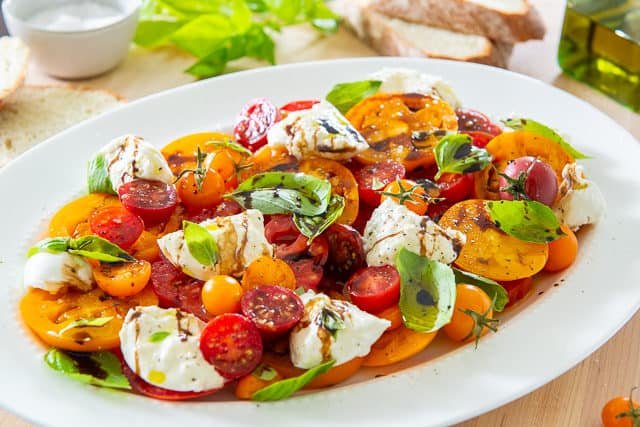
Picture this: a creamy ball of burrata, its soft center oozing onto a plate of vibrant tomatoes and fragrant basil, drizzled with golden olive oil. Burrata with tomatoes and basil is a dish that feels like a warm Italian summer, no matter where you are. This guide dives deep into everything you need to know about this simple yet luxurious dish—its history, how to make it, and tips to elevate it to restaurant quality.
What Is Burrata with Tomatoes and Basil?
Burrata with tomatoes and basil is a fresh, no-cook dish that combines creamy burrata cheese with ripe tomatoes, fresh basil leaves, olive oil, and a pinch of salt. Often served as an appetizer or light meal, it’s a celebration of quality ingredients and simplicity. Think of it as a Caprese salad’s richer, more indulgent cousin.
The Magic of Burrata
Burrata, an Italian cheese from Puglia, is a mozzarella pouch filled with a luscious mix of cream and curd. When sliced, it spills out, creating a decadent contrast to the juicy tomatoes and peppery basil. Its rich texture makes it a showstopper in any dish.
A Brief History of the Dish
Burrata was invented in the early 20th century in Puglia, Italy, as a way to use up mozzarella scraps. Paired with tomatoes and basil, it echoes the classic Caprese salad, born on the Isle of Capri. This trio became a global favorite for its fresh flavors and red-white-green nod to the Italian flag.
Why It’s a Timeless Classic
This dish’s appeal lies in its balance: creamy, tangy, and herbaceous notes in every bite. It’s easy to prepare, endlessly customizable, and perfect for any occasion, from casual lunches to elegant dinner parties.
The Art of Choosing Ingredients
The success of burrata with tomatoes and basil hinges on quality. With so few components, each one needs to shine. Here’s how to pick the best.
Selecting the Perfect Burrata
Look for burrata that’s soft and slightly springy, ideally packed in whey or brine to preserve freshness. Check the sell-by date—fresher is better. Brands like BelGioioso or local artisanal producers are reliable choices.
I once splurged on a local burrata at a farmers’ market, and the creamy center was so rich it felt like a dessert. Trust me, quality burrata is worth the hunt.
Picking Ripe Tomatoes
Heirloom or vine-ripened tomatoes offer the best flavor—think deep reds, yellows, or even green zebra varieties for visual pop. They should feel firm but yield slightly to pressure. Avoid pale, mealy supermarket tomatoes at all costs.
Choosing Fresh Basil
Opt for vibrant, green basil leaves without wilting or black spots. Sweet Italian basil is traditional, but Thai or lemon basil can add a fun twist. If possible, buy a living basil plant for the freshest leaves.
The Role of Olive Oil and Salt
Use extra-virgin olive oil with a fruity, peppery profile—look for cold-pressed options from Italy or Spain. Flaky sea salt, like Maldon, enhances flavors without overpowering. A splash of balsamic vinegar or glaze adds depth if you’re feeling fancy.
Classic Burrata with Tomatoes and Basil Recipe
This recipe is my go-to for summer gatherings—it’s quick, stunning, and always impresses. It serves four as an appetizer or two as a light main dish.
Classic Burrata with Tomatoes and Basil Recipe
Serves: 4 as an appetizer
Prep Time: 10 minutes
Total Time: 10 minutes
Ingredients
- 2 (4–8 oz) balls of burrata, drained
- 3–4 medium heirloom tomatoes, sliced or wedged
- 10–12 fresh basil leaves, torn or whole
- 2–3 tbsp extra-virgin olive oil
- 1 tbsp balsamic glaze (optional)
- Flaky sea salt, to taste
- Freshly ground black pepper, to taste
- Crusty bread or crostini, for serving
Instructions
- Prep the Tomatoes: Arrange tomato slices or wedges on a large platter in a single layer. Sprinkle lightly with sea salt to enhance their flavor.
- Place the Burrata: Gently pat burrata dry and place whole balls on the platter, nestled among the tomatoes. Alternatively, slice them open to let the creamy center spill out.
- Add Basil and Seasoning: Scatter basil leaves over the tomatoes and burrata. Drizzle generously with olive oil and balsamic glaze, if using. Finish with a pinch of sea salt and a grind of black pepper.
- Serve Immediately: Present with crusty bread or crostini on the side for scooping. Encourage guests to tear into the burrata for maximum effect.
Tips for Success
- Serve at room temperature for the best texture and flavor.
- Use a sharp knife to cut burrata cleanly, or let guests break it open.
- Store leftover burrata in an airtight container in the fridge for up to 2 days (but it’s best fresh).