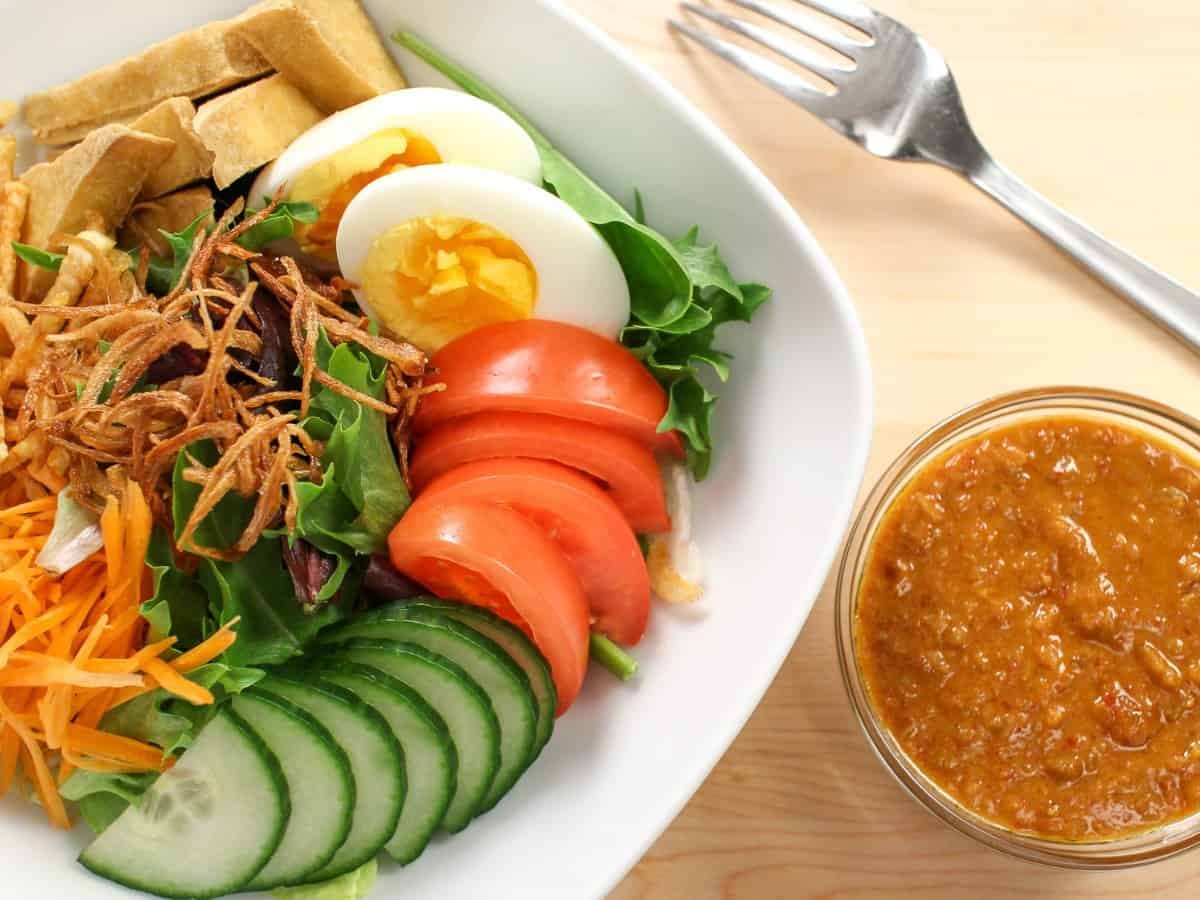
Picture this: a vibrant salad, a bowl of steaming noodles, or even grilled veggies, all brought to life with a drizzle of Thai peanut dressing that’s creamy, nutty, and just the right amount of spicy. I still remember the first time I tried it at a tiny Thai restaurant in my neighborhood—the flavors danced, and I was hooked, determined to recreate that magic at home. Whether you’re tossing it over greens or dipping spring rolls, this dressing is a flavor bomb that’s easier to make than you might think. In this guide, we’ll dive into everything you need to know about Thai peanut dressing, from classic recipes to creative uses, peppered with lessons from my kitchen experiments and tips to make your dishes sing.
The Allure of Thai Peanut Dressing
Thai peanut dressing is a perfect balance of sweet, salty, tangy, and spicy, rooted in the bold flavors of Thai cuisine. It’s versatile enough to elevate a simple salad or transform leftovers into a gourmet meal. My first attempt at making it was a bit too peanut-buttery—think sandwich spread gone wrong—but it taught me the art of balancing ingredients for that authentic Thai vibe.
What Makes Thai Peanut Dressing Special?
At its core, this dressing blends creamy peanut butter with zesty lime, savory soy sauce, and a kick of chili. It’s a staple in Thai dishes like satay, but its versatility makes it a global favorite. I’ve seen friends use it as a marinade, a dip, or even a pizza base—talk about a multitasker! Its magic lies in harmonizing complex flavors into something approachable yet exotic.
Pros and Cons of Thai Peanut Dressing
Pros:
- Adds bold flavor to simple dishes in minutes.
- Packed with protein and healthy fats from peanuts.
- Customizable for spice level, sweetness, or dietary needs.
Cons:
- High in calories if overused—portion control is key.
- Not suitable for those with peanut allergies.
- Can overpower delicate ingredients if not balanced.<grok:render type=”render_inline_citation”>14
Classic Thai Peanut Dressing Recipe
Let’s start with a tried-and-true recipe that’s become my go-to after tweaking it through countless dinner parties. It’s creamy, tangy, and just spicy enough to keep things interesting. My brother still raves about the batch I made for his backyard barbecue—it turned a basic salad into the star of the meal.
Ingredients for Classic Thai Peanut Dressing
You likely have most of these in your pantry, but quality matters—fresh lime juice makes a world of difference. This makes about 1 cup, enough for 4–6 servings.
- 1/3 cup creamy peanut butter (natural, unsweetened preferred)
- 2 tbsp soy sauce or tamari
- 2 tbsp fresh lime juice
- 1 tbsp rice vinegar
- 1 tbsp honey or maple syrup
- 1 tsp sesame oil
- 1–2 tsp Sriracha or chili paste (adjust for spice)
- 1 garlic clove, minced
- 1 tsp grated fresh ginger
- 2–4 tbsp warm water (to thin)
Step-by-Step Instructions
This recipe comes together in a blender or whisk—no fancy equipment needed. My early attempts were too thick, so I learned to add water gradually for the perfect consistency.
- Combine Base Ingredients: In a blender or bowl, mix peanut butter, soy sauce, lime juice, rice vinegar, and honey.
- Add Aromatics: Stir in sesame oil, Sriracha, garlic, and ginger until smooth.
- Adjust Consistency: Add warm water, 1 tbsp at a time, blending or whisking until pourable but not watery.
- Taste and Tweak: Adjust spice with more Sriracha or sweetness with honey if needed.
- Store or Serve: Use immediately or store in an airtight container in the fridge for up to a week.
Best Tools for Making Dressing
A small blender like the Ninja Personal Blender makes quick work of smooth dressings. Find it at Amazon or Walmart’s kitchen section.
Variations to Spice Up Your Thai Peanut Dressing
Once you’ve mastered the classic, it’s time to get creative. These variations draw from trends I’ve spotted on food blogs and X, plus my own kitchen adventures—like the time I accidentally made a coconut version that became a family favorite.<grok:render type=”render_inline_citation”>7
Coconut Thai Peanut Dressing
Swap some water for coconut milk for a richer, tropical twist. I made this for a Thai noodle salad, and my friends thought I’d ordered takeout—it’s that good. Perfect for creamy, indulgent dishes.
- Replace 2 tbsp water with full-fat coconut milk.
- Add a pinch of curry powder for depth.
- Use over noodles or grilled chicken.
Comparison: Coconut vs. Classic Dressing
| Version | Flavor Profile | Best Use | Texture |
|---|---|---|---|
| Coconut | Rich, tropical | Noodles, rice bowls | Creamier |
| Classic | Balanced, zesty | Salads, dips | Lighter |
Spicy Thai Peanut Dressing
Crank up the heat with extra chili or fresh peppers. I served this at a game night, and it had everyone reaching for seconds (and water!). Ideal for spice lovers.
- Double Sriracha or add 1/2 tsp red chili flakes.
- Include a dash of fish sauce for umami.
- Pair with crunchy veggies or grilled meats.
Where to Get Sriracha
Grab Huy Fong Sriracha at most grocery stores or online at Target.
Vegan Thai Peanut Dressing
Make it plant-based with simple swaps. I created this for a vegan potluck, and even the meat-eaters were obsessed. It’s just as flavorful without compromising authenticity.
- Use maple syrup instead of honey.
- Swap soy sauce for coconut aminos for a soy-free option.
- Blend with a touch of lime zest for extra brightness.
Informational: What Is Vegan Thai Peanut Dressing?
Vegan Thai peanut dressing avoids animal-derived ingredients like honey or fish sauce, using plant-based alternatives while keeping the signature creamy, tangy profile.
Low-Fat Thai Peanut Dressing
Cut calories without losing flavor by using powdered peanut butter. I tried this when I was watching my diet, and it was a lifesaver—light but still delicious.
- Replace peanut butter with 1/4 cup powdered peanut butter (like PB2).
- Add a bit more water to achieve desired consistency.
- Use over salads or as a veggie dip.
Pros and Cons of Low-Fat Dressing
Pros: Lower calories, still nutty and flavorful.
Cons: Slightly less creamy, may need extra seasoning.
Creative Uses for Thai Peanut Dressing
This dressing isn’t just for salads—it’s a culinary Swiss Army knife. Here are ways I’ve used it to jazz up meals, inspired by my experiments and online trends.
As a Salad Dressing
Toss with mixed greens, shredded carrots, and cucumbers for a refreshing salad. My go-to lunch salad became a hit when I added this dressing—suddenly, greens were exciting.
- Combine with kale, bell peppers, and edamame.
- Top with crushed peanuts for crunch.
- Serve chilled for maximum freshness.
As a Dip for Spring Rolls or Veggies
Use it as a dip for fresh spring rolls or crudités. I brought this to a party, and the veggie tray was empty in record time—people couldn’t stop dipping.
- Serve with rice paper rolls stuffed with shrimp or tofu.
- Pair with carrot sticks, celery, or bell pepper slices.
- Garnish with sesame seeds for flair.
As a Marinade for Grilled Meats
Marinate chicken or tofu for a flavor-packed grill session. I tried this for a summer BBQ, and the skewers were gone before I could grab seconds.
- Marinate protein for 30 minutes before grilling.
- Brush extra dressing on during cooking for a glaze.
- Pair with jasmine rice for a complete meal.
Table: Thai Peanut Dressing Uses
| Use | Pairing Ideas | Prep Time | Where to Buy Ingredients |
|---|---|---|---|
| Salad Dressing | Greens, edamame | 5 min | Whole Foods |
| Dip | Spring rolls, veggies | 2 min | Local grocery stores |
| Marinade | Chicken, tofu | 30 min | Trader Joe’s |
Tips for Perfect Thai Peanut Dressing
Making a stellar dressing takes a few tricks. These tips come from my trial-and-error moments, like when I learned the hard way that old peanut butter doesn’t cut it.
Use Fresh Ingredients
Fresh lime juice and ginger elevate the flavor. I once used bottled lime juice, and the dressing tasted flat—fresh is worth the extra step.
- Squeeze limes yourself for maximum zest.
- Grate fresh ginger with a microplane for smoothness.
- Avoid old spices—they lose their punch.
Balance the Flavors
Thai cuisine is all about harmony—sweet, salty, sour, spicy. Taste as you go to avoid a dressing that’s too sweet or too fiery, like my first attempt that was basically dessert.
- Add soy sauce gradually to control saltiness.
- Adjust honey for sweetness to taste.
- Test spice level with small Sriracha additions.
Store Properly for Freshness
Keep your dressing fresh for longer with proper storage. I’ve stretched mine to a week by storing it right, perfect for meal prep.
- Use an airtight container or mason jar.
- Refrigerate for up to 7 days; shake before use.
- Freeze in ice cube trays for small portions.<grok:render type=”render_inline_citation”>9
People Also Ask
Based on real Google searches, here are answers to common questions about Thai peanut dressing, blending my experience with practical insights.<grok:render type=”render_inline_citation”>3
What Is Thai Peanut Dressing Made Of?
It’s a mix of peanut butter, soy sauce, lime juice, honey, garlic, ginger, and chili, blended for a creamy, tangy kick. I love how simple ingredients create such bold flavor.
Can You Make Thai Peanut Dressing Without Peanut Butter?
Yes, use almond butter or sunflower seed butter for allergies. I tried sunflower butter for a friend, and it was surprisingly close to the original.
How Spicy Is Thai Peanut Dressing?
It depends on the chili or Sriracha amount—mild to fiery. My spice-averse mom prefers just a hint, while I crank it up for a kick.
What Dishes Go Well with Thai Peanut Dressing?
It’s great on salads, noodles, spring rolls, or as a marinade. I’ve even drizzled it on roasted sweet potatoes for a fun twist.<grok:render type=”render_inline_citation”>12
2025 Trends for Thai Peanut Dressing
This year, foodies are mixing Thai peanut dressing with global flavors, like adding miso for umami or using it in grain bowls, as seen on X and food blogs.<grok:render type=”render_inline_citation”>18 My latest obsession is pairing it with quinoa—check our grain bowl recipes for more inspiration.
FAQ
Can I make Thai peanut dressing nut-free?
Yes, use sunflower seed butter or tahini. Sunflower worked well for my allergic cousin, keeping the creamy texture intact.
How do I thin out thick Thai peanut dressing?
Add warm water or coconut milk, 1 tbsp at a time, until pourable. I learned this after a batch was more like frosting than dressing.
What’s the best peanut butter for Thai peanut dressing?
Natural, unsweetened peanut butter is ideal for authentic flavor. Justin’s Classic Peanut Butter is my go-to, available at most grocery stores.
Where can I buy ingredients for Thai peanut dressing?
Stock up at Whole Foods or Amazon Fresh for fresh ginger, limes, and quality peanut butter.
How long does Thai peanut dressing last?
It stays fresh in the fridge for up to a week in an airtight container. I freeze extras in small batches for quick use later.
Thai peanut dressing is more than a condiment—it’s a way to make every bite exciting. From my kitchen flops to crowd-pleasing successes, this dressing has taught me the joy of bold flavors. Whether you’re dressing up a salad or dipping spring rolls, it’s your ticket to Thai-inspired deliciousness. So grab a blender, channel your inner chef, and let’s make your meals unforgettable. Happy cooking